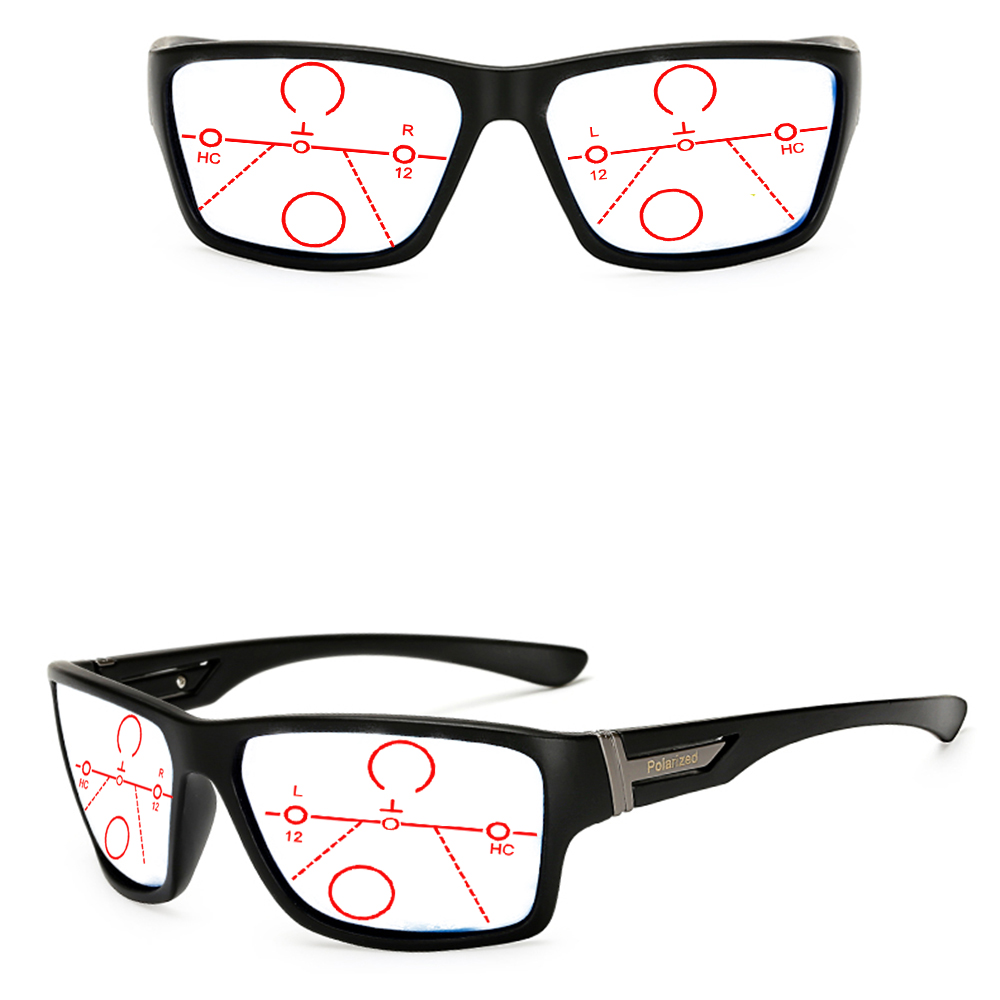
I understand the struggle. Finding a good pair of reading glasses can be challenging. We all want clear vision without overspending. I've been in that position myself. I made some significant errors in my search for the best quality reading glasses, and I want to share them so you can avoid the same frustration.
My aim is to help you steer clear of these common pitfalls:
This was my initial major error. I spotted glasses online at an incredibly low price and thought, "Why not save a few dollars?" I get it—we all want to be frugal. However, with reading glasses, "cheap" often translates to "poor quality."
The pair I purchased was flimsy. The frames felt like they could snap at any moment. The lenses weren't clear at all; it was like looking through murky water. They also pinched my nose and gave me headaches.
Another shopper likely thought: "I bought these super cheap glasses. They broke within a week. The lenses were blurry and strained my eyes. What a complete waste! I had to buy another pair immediately."
Don't repeat my error. Those extremely inexpensive glasses often use low-grade plastic or thin metal. They break easily, and the lenses may scratch quickly or have an incorrect prescription. You'll likely end up replacing them far too soon.
Verdict: Don't focus solely on the price tag. Consider what you're actually getting for your money. Cheap glasses often cost more in the long run because you'll need to replace them frequently.
When I bought my disappointing glasses, I didn't know what features to look for. I simply chose a pair that looked acceptable and ignored crucial signs of quality. For reading glasses, particularly progressive multifocal ones, the materials and lens technology are vitally important.
Quality frames are typically made from strong, lightweight materials like TR90. This material is flexible, durable, holds its shape well, and can withstand minor impacts. Cheaper frames tend to be stiff and prone to breaking.
Furthermore, I didn't give enough thought to the lenses. Progressive multifocal lenses are excellent because they provide clear vision at multiple distances—close-up for reading, intermediate for computer screens, and distance for general viewing. If you overlook quality here, you may end up with lenses that only work for one distance or have annoying blurry zones.
Another shopper likely thought: "These glasses pinch my nose and constantly slip off. The lenses only work for close-up reading; everything else is a blur. My old, cheap single-vision glasses were actually better than these so-called 'progressive' ones."
Learn from my oversight. Pay attention to the details. Is the frame material specified? Is it known for being strong and lightweight? Are the lenses clearly described as progressive and designed for clear vision at all distances? These are key indicators of the best quality reading glasses.
Verdict: Always check the product description for quality materials like TR90 frames and advanced lens technology such as progressive multifocal lenses. This makes a tremendous difference in both comfort and visual clarity.